
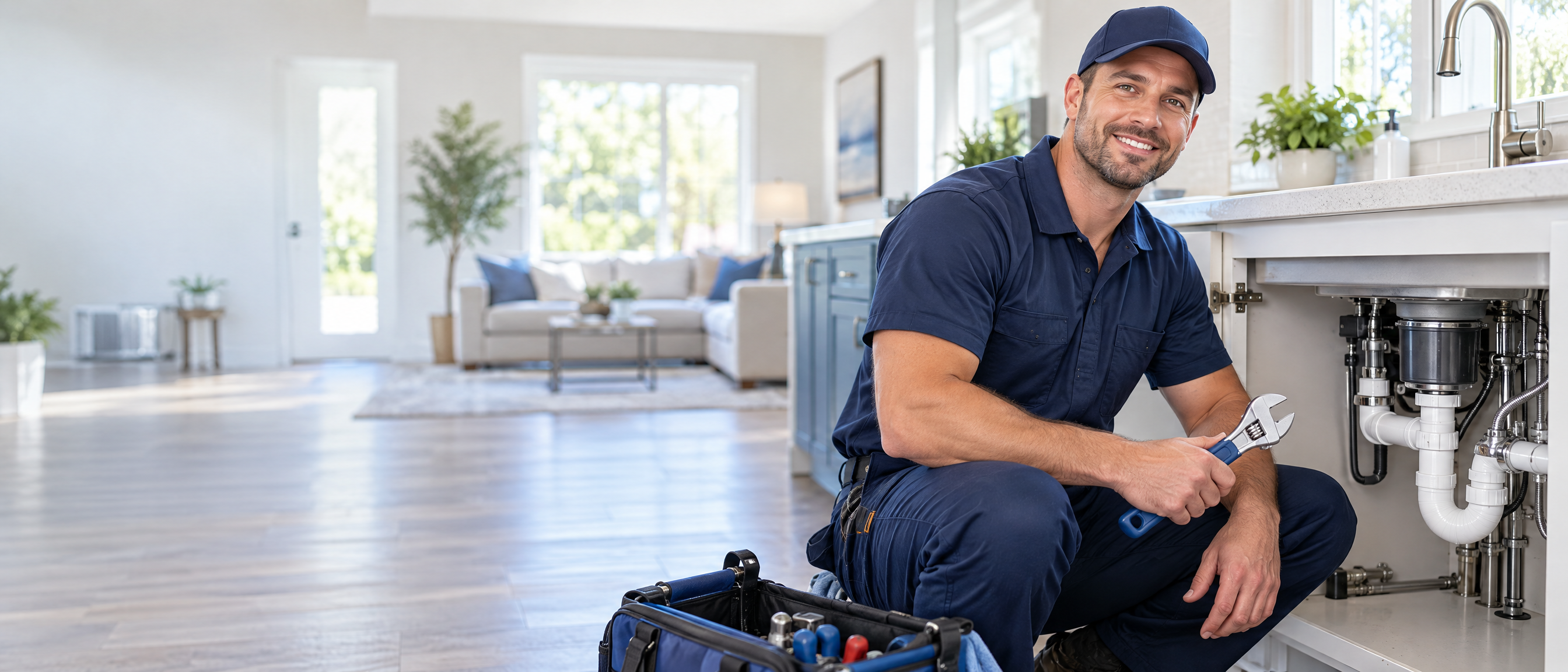
Leak Detection & Repair in Atlanta
Find and fix hidden leaks before they damage your home.
A leak hiding in a wall, under your slab or in your yard costs you twice: on your water bill every month and in the slow damage to framing, cabinets and foundations. Anytime Plumbing Atlanta uses electronic leak detection—acoustic, thermal and pressure testing—to pinpoint the exact source, then performs a targeted repair sized to the problem. We pressure-test afterward and provide a written report for insurance if needed.
4.7★★★★★232 Google reviewsIn short
Leak Detection & Repair in Atlanta typically costs $1,500–$5,000 per job; most jobs take 8–20 hours on site
A real person answers 24 hours a day — typical arrival 60 minutes.
- Since 2018
- 24/7 emergency service
- Upfront flat-rate prices
Leak Detection & Repair near you
emergencies 24/7 · 368 Angier Ave NE, Atlanta, GA 30312
Flat-rate price approved by you before work starts.
Quick facts
Leak Detection & Repair: the key facts
- Typical cost
- $1,500–$5,000 per job
- Time on site
- 8–20 hours
- Permit
- Not usually needed
- How urgent
- Usually can wait a few days
Which kind
Types of leaks we find and fix
Toilets and fixtures
Flappers, fill valves, supply lines and faucet cartridges that waste water quietly.
Outdoor and irrigation
Hose bibs, frozen spigots and sprinkler lines.
Water service line
The pipe from the meter to the house — soggy yard, low pressure, a meter that never stops.
Slab leaks
Supply or drain lines under the concrete floor: warm spots, cracks, the sound of running water.
Water heater leaks
Relief valve, fittings or a failing tank — the last one means replacement.
Techniques explained
How we find a leak without tearing up your home
- 1
Pressure test
We isolate the system and watch the gauge to confirm a leak exists and which side it is on.
- 2
Moisture mapping
Meters trace how far water has spread so the repair opening is as small as possible.
- 3
Acoustic listening
Ground microphones and listening discs pick up the hiss of water under slabs and in walls.
- 4
Thermal imaging
An infrared camera shows hot-water leaks and wet areas behind finished surfaces.
Try the 2-minute meter test
Turn off every tap and appliance, then look at your water meter. If the low-flow dial (small triangle or star) still turns, water is leaking somewhere.
Insurance claim?
Ask for a written leak report with photos of the source and the damage — your insurance adjuster will want one.
Water damage
Water damage and your insurance claim
- 1
Stop the water and make it safe
Shut off the main, switch off electrics in wet areas, and move valuables.
- 2
Record everything
Photos and video of the damage, the leak source and any damaged belongings, before cleanup.
- 3
Ask for a written cause report
Insurers want to know what failed and why. Ask your plumber to write down the cause, the repair and the date.
- 4
Call your insurer early
Most policies cover sudden water damage but not slow leaks or wear. Report it quickly and keep every receipt.
General guidance, not insurance advice — check your own policy.
Best fit
Your options for leak detection & repair—repair, replacement, or upgrade
Repair or replacement? Anytime explains the pros, cons, and price range for each option before you choose.
Spot repair
Best when
One leak in otherwise sound pipe
Lowest cost; cut, repair, test
Reroute
Best when
Slab leaks or lines that have failed more than once
Runs new pipe through walls or attic instead of breaking the slab
Repipe
Best when
Many leaks, galvanized or polybutylene pipe
Highest cost, ends the repairs
Call soon
Red flags that mean your leak detection & repair needs attention now
If you see these warning signs with your, don't wait. Call Anytime Plumbing Atlanta for diagnosis before the problem worsens.
- The water bill rises with no change in use
- The meter moves with every tap and appliance off
- Warm spots on the floor (slab homes)
- The sound of running water when nothing is on
- Damp drywall, peeling paint or a musty smell
- Low water pressure in one part of the house
Price range
What you'll pay for leak detection & repair from Anytime Plumbing Atlanta
- Flat-rate pricing: you get one price for the job, not an hourly meter.
- Parts, labor and any permit listed in the written price.
| Job | Typical price |
|---|---|
| Diagnostic visit: pressure test and leak location | $250 range $150–$400 |
| Leaking supply valve or P-trap repair | $350 range $200–$500 |
| Pinhole leak repair in copper line (spot repair) | $500 range $300–$700 |
| Slab leak reroute through attic or exterior wall | $1,200 range $600–$2,000 |
Typical market ranges from local labor rates and parts prices. Your price depends on access, materials and permits — we confirm it in writing before work starts.
Separate charges
Breakdown of leak detection & repair cost—diagnosis, parts, labor, and disposal
Anytime includes diagnosis and labor in your written leak detection & repair price. Parts, materials, and disposal are charged separately and listed upfront.
What the price covers
- Pressure test of the water supply system (confirms a leak exists)
- Acoustic, thermal or tracer-gas leak location and marking
- Repair of the located leak (valve replacement, pipe patch or section replacement)
- Pressure re-test and verification that the leak is stopped
- Written report detailing the method, location, photos and repair (for insurance or resale)
Extra only if needed
- +Drywall, flooring or concrete repair beyond marking the access point (may require a separate contractor)
- +Rerouting of supply lines in complex situations (e.g., reroutes over 50 feet may require additional design and cost)
- +Mold remediation or structural damage assessment (refer to a specialist if mold or rot is found)
- +Water softening, scale removal or water treatment systems (separate service)
Good to know: Unpermitted repair work can void your homeowner's insurance and create liability and resale issues. If the repair requires opening a wall, slab or foundation, a permit from the City of Atlanta or county building department is usually required. Your plumber should confirm permit requirements before starting. Never skip a permit to save money.
Price drivers
The price drivers for leak detection & repair
- 01Service call fee (diagnostic) and hourly labor rate (varies by plumber and emergency timing)
- 02Time to locate the leak (simple leaks 30 minutes; hidden leaks 2–4 hours)
- 03Leak location (wall, slab, yard line or fixture)
- 04Pipe material and age (galvanized, copper, PEX, cast iron require different approaches)
- 05Repair type (spot repair, section replacement or reroute)
- 06Access and surface repair (drywall, flooring, concrete patching)
Four steps
From your call to a fixed pipe—the Anytime process
Anytime Plumbing Atlanta moves fast: call or book online, get diagnosed same day, receive a written price, approve the work, and it's done to code.
- 1
Tell us what is wrong
Describe the problem and we set a time window — 60 minutes.
- 2
Diagnosis on site
A licensed plumber checks the system and pins down the fault — camera or leak detection where needed.
- 3
You say yes to the price
One flat-rate price in writing. No hourly meter.
- 4
Fixed the right way
Done to code.
- 5
Walk-through and clean-up
We clean up and walk you through what we did.
How acoustic and thermal leak detection works in Atlanta homes.
Acoustic detection listens to the sound of water spraying from a hole under pressure. A plumber uses a listening device (sometimes called a water leak detector) or a sensitive amplifier to pick up the distinctive hiss or noise where water escapes. Outdoor leaks in yard lines or slab leaks near the surface are often found this way. The plumber walks or crawls through the house, listening at walls, under cabinets and in crawl spaces, then narrows the leak to a small zone.
Thermal imaging shows the temperature difference between the leaking water and the surrounding material. A pipe with an active leak cools or warms the area around it; the camera displays that zone in a different color. This method works especially well for leaks in exterior walls or under a slab where the leak is not deep. Once the acoustic and thermal searches converge on one spot, the plumber marks it—often with paint or chalk—so the repair crew knows exactly where to open access.
Tracer gas (a harmless, odorless, non-toxic gas) is sometimes used for drain leaks or leaks in difficult-to-reach places. The gas escapes from the leak and is detected above ground, revealing the leak's path even through soil or inside walls. Atlanta plumbers use tracer gas when acoustic methods alone are inconclusive, especially for slow leaks that produce little sound.
After the leak is located, the plumber pressure-tests the system again to confirm the repair succeeded. A written report documents the method used, the location, photos or thermal images, the repair performed and the post-repair pressure. This record is invaluable for insurance claims and home sales.
Why Atlanta's water and older homes are prone to leaks.
Atlanta's water hardness and mineral content vary by neighborhood and source (some areas draw from surface water, others from groundwater). Hard water—above 7 grains per gallon (gpg)—deposits scale inside copper and steel pipes over time. This mineral crust weakens the pipe wall, and pinhole leaks develop from the inside out. Water softeners reduce scale and extend the life of pipes and water heaters, but many Atlanta homes lack one.
Homes built before 1980 often have galvanized steel supply lines. Galvanized pipes corrode from the inside, especially in hard-water areas, and their lifespan is typically 40–60 years. Atlanta has a large inventory of mid-century homes in neighborhoods like Druid Hills, Virginia-Highland and East Atlanta that rely on aging galvanized or cast-iron lines. Polybutylene (PB) plastic pipe, common in 1980s–1990s builds, is also prone to failure from chlorine exposure and UV damage.
Georgia's freeze-thaw cycle, while mild compared to the North, creates risk in uninsulated spaces. Atlanta averages 2–4 freeze days per year, and temperatures dip below 32°F on winter nights. Water lines in attics, crawl spaces and exterior walls can freeze and crack if not insulated. When the ice melts, the crack opens and leaks begin. This risk is highest in homes with poor attic ventilation or unheated additions.
Slab leaks are another Atlanta hazard. Older slab homes in established neighborhoods were often built with copper or galvanized supply lines run directly under the concrete. No insulation or protection means the line is exposed to soil chemicals, shifting foundation movement and corrosion from the ground. A pinhole leak under a slab can run for months before a homeowner notices a spike in the water bill or soft flooring.
Combination of age, hard water, freeze risk and poor maintenance means Atlanta homeowners should have their water supply system inspected every 5 years if the home is over 40 years old. Early detection of corrosion, scale or pin leaks saves thousands in water damage.
Our standards
What you get with Anytime Plumbing Atlanta — and what to ask anyone
| Anytime Plumbing Atlanta | What to check with any plumber | |
|---|---|---|
| Price in writing first | One flat price, approved by you | Get parts, labor and fees in writing |
| Permits | We pull the permit when one is required | Ask who pulls the permit and books the inspection |
| Clean-up | We clean up and explain what we did | Agree clean-up before work starts |
Fixed right
Licensed, insured plumbers who diagnose before they charge
Call Anytime for fast diagnosis, honest pricing, and warranty coverage. We work nights, weekends, and holidays across the Atlanta area.
Local since 2018
Anytime Plumbing Atlanta has been fixing plumbing in Atlanta for 8 years — we know the pipes, the water and the permit office.
Flat-rate pricing available
You approve the price before we start — no hourly meter, no surprise add-ons.
Fast response — 60 minutes
Day or night, call and a plumber gets moving.
4.7★ from 232 reviews
Real Google reviews from homeowners we have worked for.
Atlanta & nearby
Same-day leak detection & repair response in these Atlanta towns
Communities served · By area
Service ZIP codes
31401303033000830080300753000431106300923008430144301263050130264302693013430294302813016130114301883009630043302913132230252300243003030012300393012030680301013021430071300473001430052301273013230518
Not sure if we cover you? Call (833) 640-0288 or send your ZIP.
Plumbing help for your situation
Which situation best suits you?
References
Sources behind these figures
Prices are typical ranges, confirmed in writing before work starts. How we price · Cost report
- Local water utility rate schedule
- EPA WaterSense Rebate Finder
- Local plumber rate surveys and quotes (estimate)
- U.S. EPA WaterSense
Ask Anytime
Frequently asked questions about leak detection & repair repair and replacement
Still have questions? Ask us or call (833) 640-0288.
Do you offer 24/7 emergency plumbing?
How do you price jobs?
What areas do you serve around Atlanta?
How do plumbers find hidden leaks in Atlanta homes?
How much does leak detection cost in Atlanta?
What causes leaks in Atlanta's older homes?
Can a leak under a concrete slab be repaired without breaking the slab?
Should I get a written report from leak detection for insurance?
What is the Georgia plumbing license requirement for leak detection work?
Do I need a permit for leak repair in Atlanta?
Talk to a plumber about your leak detection & repair issue right now
Call any time, day or night, or book online and we will confirm a time.
Anytime Plumbing Atlanta
368 Angier Ave NE, Atlanta, GA 30312
(833) 640-0288 · [email protected]
Directions on Google Maps →